Age of Magic: Turn Based RPG
- 4.6
- Rating
- 10.00M
- Installs
- Free
- Price

 Analysis by App-foxy
I approached Age of Magic: Turn Based RPG expecting a familiar mobile role-playing game: assemble a party, choose attacks, improve characters, and repeat. That first impression is accurate, but it misses why the game can hold attention. The real appeal is the small decision cycle inside each battle. I choose an action, watch its immediate consequence, collect something useful afterward, and then find a reason to prepare for the next encounter. When that rhythm works, a short break can easily become a longer session.
Developed by Playkot LTD, this is a dark-fantasy role-playing game built around team management and turn-based combat. It is free to start, carries a Teen content rating, and has been available since September 19, 2018. The current version is 3.9.0, and it runs on Android 7.0 or later. Those details matter because this is not a tiny one-evening experiment; it is a long-running game designed to give players a continuing roster and a steady stream of decisions.
I also found it useful to set expectations before playing. This is not the best choice if you want a completely hands-off idle game, a short premium adventure with a fixed ending, or a fast action RPG where reflexes decide every moment. Its satisfaction comes from thinking ahead, noticing patterns, and deciding where limited attention and resources should go. If that sounds appealing, the central loop has more depth than the store summary suggests.
You May Also Like

 Blood Strike: 2.5 Anniversary
Blood Strike’s Loadouts Turn Every Drop Into a Tactical Gamble
A close look at Blood Strike’s custom loadouts: how fast access to signature weapons reshapes its battle royale rhythm, rewards preparation, and narrows the gap between fights.

 Pandora - Music & Podcasts
Pandora’s Music Is Easy to Start, but Harder to Recover
Pandora’s strength is its low-effort path from a seed to a station. Its weak spot is how much confidence it asks you to place in connection, setup, and quiet recovery.

 8 Ball Pool
 Is Built on Rivalries, Rematches, and Routine
A close look at the rivalries, rematches, shared routines, and unanswered safety questions that turn a quick pool match into a persistent mobile community.

 Samsung Music
’s Quiet Strength Is Playing What You Already Own
Its reach comes less from spectacle than from dependable access to a personal library. That simplicity is both the app’s strongest retention engine and its ceiling.

 AccuWeather: Weather Radar
AccuWeather Review: A Quick, Clear Forecast for Everyday Decisions
For everyday plans, the best forecast is the one you can understand quickly. AccuWeather makes rain timing, radar, and local conditions easy to act on, with a few trade-offs.

 Hill Climb Racing
Why Hill Climb Racing Still Turns Crashes Into One More Run
A tiny car, a bumpy hill and one more upgrade: Hill Climb Racing keeps resurfacing because its simple chaos makes every near-miss feel personal.
More From Our News Desk
View All News


How the battle loop turns one decision into another
I find that the battle loop is most rewarding when I treat each turn as information, not just a chance to deal damage: the opponent’s response can show me whether my team choice and timing are working. That makes even a close loss useful, because I can adjust one decision before trying again. Next, I’d look at how a few simple setup habits can make those early experiments easier to read.
The first action: building a team before the fight
The first meaningful action is not pressing an attack button. It is deciding which characters belong together. A team can look strong on paper and still feel awkward when its abilities do not support one another. I learned to treat team selection as a question of purpose rather than simply choosing the characters with the highest visible strength. One group may be better suited to surviving a difficult encounter, while another may be more useful when I need to finish enemies quickly.
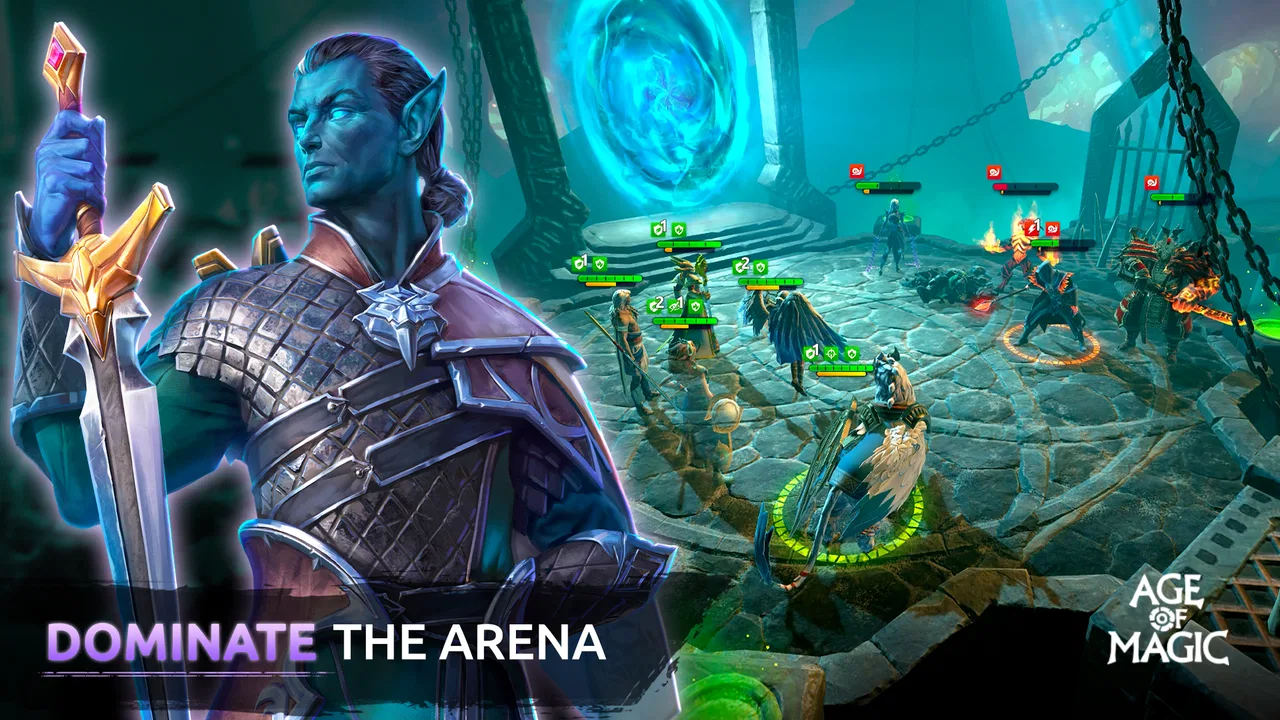
That preparation gives the battles a welcome layer of ownership. I am not merely moving a single hero through a corridor; I am making a small plan for several characters and then testing it. A turn can involve damaging an opponent, protecting a teammate, applying a useful effect, or saving an ability for a more important moment. The best choices are often less dramatic than the largest attack. Removing a dangerous enemy early or preserving a key character can matter more than producing the biggest number on screen.
For a new player, my practical advice is to avoid spreading attention too widely at the beginning. Improving every available character a little may feel efficient, but it can leave the main team underdeveloped when the opposition becomes less forgiving. I preferred identifying a dependable core group first, then expanding when a new character offered a clear tactical reason to do so. That approach also makes the reward screen easier to understand, because I know which improvements will immediately affect my next battle.
The turn-based format makes the game approachable on a phone. I do not need perfect timing or a quiet room to perform well. I can pause mentally between actions, inspect the situation, and choose a response. That makes it a good fit for a commute, a lunch break, or a few minutes while waiting. The trade-off is that the game feels slower than an action-focused alternative. Players who enjoy constant movement may find the deliberate pace less exciting.
Feedback rhythm: every turn explains what worked
Good turn-based combat depends on clear feedback, and this game makes the result of an action easy to follow. An attack lands, a target loses health, a defensive choice buys time, and the enemy response shows whether my plan was sound. That immediate connection between choice and outcome is the strongest part of the experience. I rarely wonder whether a turn mattered, even when the result is simply that my team survived another round.
The feedback is especially useful when I stop treating combat as a sequence of isolated attacks. A battle becomes a short conversation: I create a threat, the opponent answers, and I decide whether to continue that plan or change direction. If an enemy is close to defeat, I may spend a strong ability to remove it. If the enemy is not immediately dangerous, I may use a less costly action and keep a stronger option available. That kind of restraint is where the role-playing structure becomes more interesting.
One non-obvious habit helped me a great deal: I began watching the order of turns instead of focusing only on health bars. A powerful character is not always useful if that character acts too late to prevent an enemy ability. Likewise, a modest attack can be valuable when it changes who gets to act next. Thinking in terms of sequence rather than raw strength made my decisions more consistent and reduced the temptation to use every impressive ability as soon as it became available.
Another useful trade-off appears when a battle seems easy. It is tempting to rush through a comfortable encounter, but those fights are good places to learn what each character contributes. I used them to test whether a defensive skill was worth saving, whether a support action improved the whole team, and which enemy deserved priority. That experimentation costs little compared with discovering the same lesson in a difficult encounter.
The game is not perfectly frictionless. A turn-based system can make repeated battles feel familiar, particularly when I am farming progress rather than facing a new challenge. The same clarity that makes the combat accessible can also expose repetition. I would not recommend it to someone who needs every encounter to introduce a new mechanic. Its strength is the gradual refinement of decisions, not constant surprise.
The reward: progress that changes the next decision
Winning feels useful because the reward is connected to future preparation. I finish a battle with a clearer idea of what my team needs, then use the resulting progress to improve that team or work toward a different composition. The reward is not only a victory screen; it is a reason to reconsider my roster. That connection keeps the loop moving forward.
I found the most satisfying rewards were the ones that solved a problem I had already noticed. If a character was too fragile, an improvement that helped survivability felt meaningful. If the team lacked a reliable way to control a dangerous opponent, progress toward a better tactical answer mattered more than a generic increase. This is a good reason to enter a session with a small goal instead of simply collecting everything available.
My preferred routine was to decide on one immediate target before starting: strengthen a particular character, improve the group used for a troublesome encounter, or gather what was needed for the next step. That simple rule prevented me from spending resources impulsively. It also made the game feel less like an endless checklist and more like a sequence of manageable projects.
There is an important financial consideration here. The game is free to download and play, but it includes optional purchases ranging from $0.99 to $299.99 per item. I could enjoy the basic loop without treating payment as the main activity, yet the presence of expensive purchase options means I would recommend setting a personal spending limit before becoming invested. Players who dislike any pressure around optional spending should approach cautiously, even if they intend to remain free-to-play.
The reward structure can also create a familiar mobile-game tension: progress feels most satisfying when I make deliberate choices, but the game can encourage me to think about what would accelerate that progress. For me, the right mindset was to judge each purchase as a convenience rather than a requirement. If a player feels that every obstacle must be paid away, the loop loses its strategic appeal. The game is better when improvement comes from learning the team and planning the next attempt.
The session reset: why I return after closing the app
A good mobile session needs a natural stopping point. Age of Magic provides that feeling through the completion of a battle, the collection of progress, and the appearance of a new team-building question. I can stop after one encounter without feeling that I abandoned a complicated real-time event. When I return, I have a clear place to continue: the next fight, the next improvement, or a different team experiment.
This reset is one of the game’s strongest everyday qualities. Imagine having ten minutes before an appointment. I can open the game, complete a focused encounter, review what changed, and close it without needing to commit to a long uninterrupted campaign. On a quieter evening, the same structure expands naturally into several battles because each win creates another small objective. The game respects short sessions while still offering enough progression to invite a longer one.
However, the reset can feel less satisfying when the next objective is too similar to the previous one. Repeating a familiar fight for improvement is useful only when the improvement has a visible purpose. I found myself enjoying the game more when I alternated between progress work and tactical experimentation. If I only repeated the safest available activity, the rewards became less exciting and the session ended sooner.
That observation leads to a practical recommendation for managing attention. Use routine encounters to stabilize a team, but do not let them become the entire experience. Once a character or group is ready, move back toward a challenge that tests the change. The game’s loop is at its best when action produces feedback, feedback guides an upgrade, and the upgrade is then tested rather than merely stored.
The loop verdict: a thoughtful RPG with a familiar mobile compromise
After spending time with it, I see Age of Magic as a solid choice for players who enjoy turn-based planning more than rapid controls. The action is selecting a move and managing a team. The feedback is immediate enough to teach the consequences. The reward gives me a reason to improve the roster. The reset creates a clean stopping point, while the next challenge supplies the reason to begin again. That chain is simple, but it is carefully suited to mobile play.
The game also benefits from its dark-fantasy presentation. The setting gives the battles a stronger identity than a purely abstract collection of menus and statistics. More importantly, it supports the feeling that every new character or team adjustment belongs to a larger adventure rather than an isolated puzzle. I would not call the experience radically different from other mobile role-playing games, but the combination of turn-based combat and roster decisions is coherent and easy to return to.
Its large audience reflects that accessibility: it has an average rating of 4.6 from around 520 thousand ratings, with over 10 million installs and roughly 16 thousand written reviews. Those figures do not guarantee that every player will enjoy it, but they do suggest that the game has found a broad audience. In my experience, the appeal is understandable: the controls are approachable, the battles are readable, and progress always points toward another decision.
Compared with a traditional console-style role-playing game, this is more modular and easier to play in short bursts, but it is less likely to deliver one continuous, carefully authored journey. Compared with an idle RPG, it asks more from me during combat and gives my choices greater weight, but it also demands more attention. Compared with a fast action game, it is calmer and more analytical, though less immediately thrilling. Those distinctions are more useful than simply calling it a fantasy RPG, because they explain who will actually enjoy the routine.
I would recommend it to someone who likes collecting a team, testing combinations, and improving through repeated attempts. It is particularly suitable for players who want a game that can fit around a busy day without abandoning meaningful decisions. I would steer away from it if you want a one-time purchase with no optional spending, a strongly linear story experience, or battles that depend primarily on reflexes. The free entry point is inviting, but the long-term experience requires patience with repetition and discipline around purchases.
My final advice is to play it as a planning game rather than a race. Build a focused core team, observe turn order, save important abilities when the situation allows, and connect every upgrade to a problem you want to solve. Give yourself a spending boundary before the reward loop becomes habitual. With that approach, the game’s best quality becomes clear: each short battle provides enough information to make the next one feel worth starting.
For me, that is the lasting value of this role-playing adventure. It does not reinvent mobile RPGs, and its repeated encounters will not suit everyone, but the action-feedback-reward-reset cycle is dependable. If you enjoy making small tactical choices that gradually reshape a team, Age of Magic is an easy game to keep within reach. Playkot LTD has built an experience that works best in measured sessions, where one successful decision leads naturally to the next experiment.
FAQs for Age of Magic: Turn Based RPG
01What is Age of Magic: Turn Based RPG?
Age of Magic: Turn Based RPG is a fantasy role-playing game built around strategic, turn-based battles. You collect heroes from different factions, improve their abilities, equip them with better gear, and create teams suited to different opponents. The game combines a campaign storyline with arena battles, events, challenges, and other modes, making team composition and long-term character development just as important as choosing attacks during combat.
02How does combat work in Age of Magic?
Battles use a turn-based system, so you can study the battlefield and select each hero’s action instead of relying entirely on real-time reflexes. Characters have different roles, including damage dealers, healers, tanks, and support heroes, while many abilities apply effects such as buffs, debuffs, shields, or control. Winning consistently requires understanding enemy strengths, managing skill cooldowns, and building a balanced team rather than simply attacking with every character.
03Can Age of Magic be played offline?
Age of Magic is primarily designed as an online game and generally requires an internet connection for important features, account synchronization, live events, updates, and competitive modes. Some campaign content may appear accessible at certain times, but you should not expect the full experience to work offline. A stable connection is recommended, especially when downloading additional resources or participating in multiplayer activities.
04Is Age of Magic: Turn Based RPG free to play?
The game can be downloaded and played for free, but it includes optional in-app purchases. These may provide resources, character progression items, premium currency, offers, or bundles that can speed up development. Free players can still progress by completing missions, collecting rewards, and managing resources carefully, although advancement may take longer. Before downloading, parents and users should review device purchase settings if spending needs to be restricted.
05Is Age of Magic suitable for beginners and younger players?
Age of Magic is approachable for beginners because early missions introduce the basic combat rules, hero abilities, equipment, and team-building systems gradually. However, the number of currencies, upgrade paths, factions, events, and competitive modes can become complex as you progress. The game contains fantasy combat and monetization features, so suitability for younger players depends on their age, tolerance for grinding, and whether in-app purchases can be controlled.
Pros
- Distinctive fantasy heroes with varied abilities and combat roles.
- Turn-based battles let you plan attacks instead of relying only on reflexes.
- Frequent events provide extra objectives and rewards for active players.
- Guild features add teamwork
- chat
- and shared progression goals.
- Playable on mobile devices with sessions that can fit short breaks.
Cons
- Progress can feel slow without regular daily play or resource spending.
- Many upgrade materials are needed
- making roster development time-consuming.
- Random character summoning may make obtaining specific heroes frustrating.
- Some battles become repetitive after mastering the best team strategies.
- Online features and updates require a stable internet connection.

Age of Magic: Turn Based RPG
Gallery